

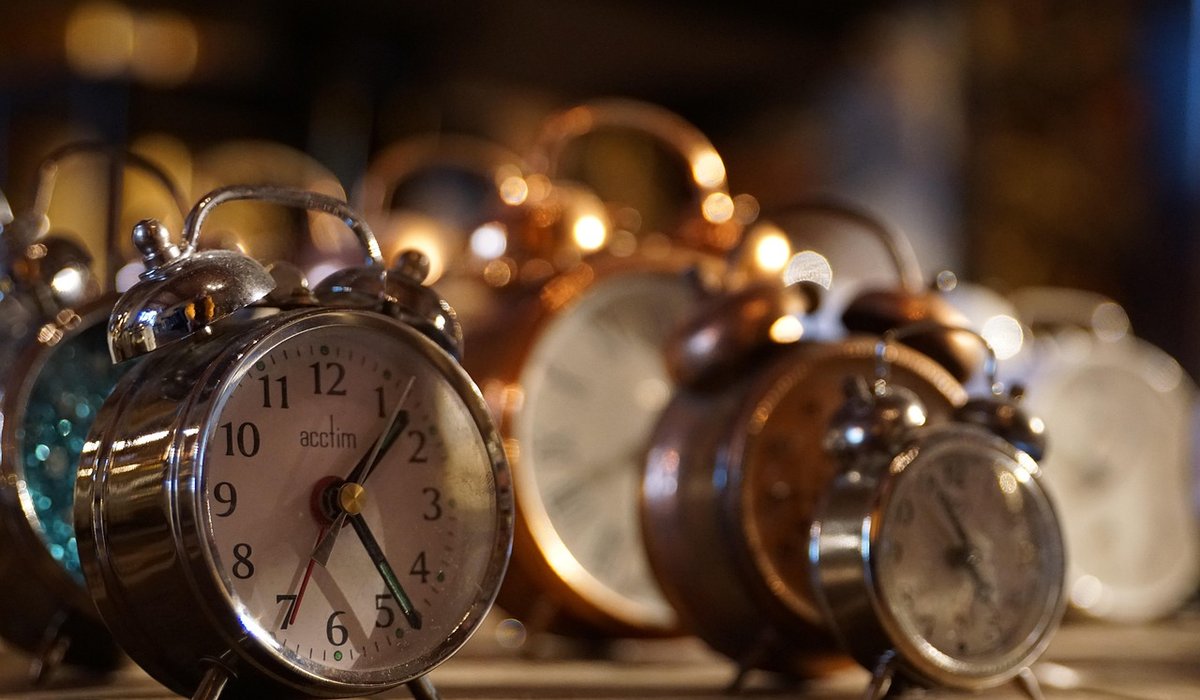
A vintage brass table lamp is one of those quiet heroes of a cosy home. It does not shout for attention like a statement pendant or a sculptural floor lamp. Instead, it glows. Aged brass catches the light with a soft, honeyed warmth, and when you pair it with a linen shade, wooden furniture and muted walls, it becomes a gentle focal point — the kind of object your eye rests on rather than stares at. Styling one well is less about following rules and more about layering texture, lowering the light and letting the room slow down around it.
Why Aged Brass Suits a Slow-Living Interior
Brass is a living material. Unlike chrome or polished nickel, it changes as it ages, developing a patina that reads as history rather than neglect. In a slow-living home, that matters. You are not chasing perfection; you are creating a space that feels settled, lived-in and calm.
- Patina over polish: A little tarnish gives depth. Let the lamp keep its character unless it is heavily corroded.
- Warmth without glare: Brass reflects a golden light that flatters wood, wool and old books.
- Weight and stillness: A solid brass base feels grounding on a side table or chest of drawers.
Place it where you naturally pause — beside a reading chair, on a hall table, or in an alcove that needs a soft anchor. The lamp should feel like it has always been there.
Choose a Linen Shade to Soften the Light
The shade is what turns a brass lamp from a handsome object into a source of comfort. Linen is ideal because it diffuses light gently, without the cold glare of a paper or plastic shade. Look for a natural weave with a visible slub — it adds texture even when the lamp is switched off.
- Size: Aim for a shade roughly two-thirds the height of the base. Too small looks mean; too large overwhelms the brass.
- Shape: An empire or tapered drum shade suits most vintage brass lamps. A straight drum feels more modern; a slightly flared empire feels traditional.
- Colour: Oatmeal, natural, stone or dove grey. Avoid brilliant white, which can turn harsh against warm brass.
- Lining: Choose an unlined or softly lined shade so the light escapes through the fabric, not just up and down.
If you already own a brass lamp with a tired shade, replacing it is the single most effective upgrade. Take the lamp with you if you can, or measure the harp and shade diameter carefully.
Build a Muted Backdrop with Paint and Wood
Brass sings against quiet colours. This is not the place for bold feature walls or high-contrast schemes. Think of the room as a soft-focus photograph: muted walls, natural wood, and one or two metallic accents.
- Walls: Try clay, stone, sage, ochre or a warm off-white. These colours absorb light and make the lamp’s glow feel like a treat.
- Wood: Oak, elm, walnut and teak all work beautifully. A mid-century sideboard, a Victorian chest or a simple gateleg table gives the lamp a stage.
- Floor: A worn rug in faded reds, browns or blues adds softness. Wool and jute are ideal for slow, quiet rooms.
Keep the palette to three or four related tones. The brass then acts as a warm highlight rather than a competing colour.
Position the Lamp for Comfort, Not Drama
A vintage brass table lamp is task lighting as much as mood lighting. Position it so it supports what you actually do: read, knit, write, or simply sit with a cup of tea.
- Seated eye level: The bottom of the shade should sit around eye level or slightly below when you are seated, so you do not see the bulb.
- Reading tasks: Place the lamp to the side of your chair, slightly behind your shoulder, so the light falls onto the page without casting shadows.
- Corners: In a dark corner, a brass lamp on a small stool or stack of books adds depth and makes the room feel larger.
Leave a little breathing space around the lamp. Clutter kills the calm. One lamp, one small vase, one stack of books is often enough.
Layer the Light for Slow Evenings
Slow living is largely about light. Overhead bulbs flatten a room; a single brass lamp creates pools of warmth and shadow. Use it as part of a layered scheme rather than the only source.
- Bulbs: Choose a warm white LED around 2200K–2700K. A 6–8W LED is usually plenty for a table lamp.
- Dimmer: If the lamp has a dimmable bulb and switch, use it. Turning the light low in the evening signals to your body that the day is winding down.
- Companions: Pair with a second small lamp across the room, a candle or a low shelf light. Avoid matching everything; the aim is gentle variation.
In winter, switch the brass lamp on before you need it. The room will feel inhabited and welcoming when you walk in.
Care, Rituals and the Art of Leaving It On
Looking after a vintage brass lamp is part of the pleasure. A little attention keeps it working safely and looking beautiful for decades.
- Cleaning: Dust with a soft dry cloth. For light tarnish, use a mild soap and warm water, then dry immediately. Avoid abrasive pads.
- Safety: Check the flex and plug periodically. If the wiring is old or frayed, have it rewired by a qualified electrician.
- Ritual: Make switching the lamp on a small ceremony. Pause, breathe, and let the room settle around you.
A vintage brass table lamp is not merely a practical purchase. It is an invitation to slow down, to read a little longer, to sit in a pool of warm light and do nothing at all. Style it with linen, wood and muted walls, and it will quietly become the heart of the room.



John Doe
14 January, 2022Having no content in post should have adverse..
Chauffina Carr
10 April, 2022We use these tests all time! Killer stuff!
Jim Séchen
16 July, 2022Thanks for all the comments, everyone!