

Start With the Space You Actually Have
Most British hallways are narrower than we remember when we're standing in a shop. Before you buy anything, measure the width at the tightest point — often where the front door swings back against the wall, or where a radiator juts out. A typical Victorian terrace hall runs somewhere between 90cm and 1.2m, and a modern new-build can be tighter still. Whatever the number, keep a clear walking channel of at least 75cm. Everything else is negotiable.
Then note where the light falls and where the draughts come from. A hallway that feels cold usually has less to do with the décor than with a gap under the door and a bare floor. Fix those two things and half the battle is won before you hang a single picture.
Choose a Console by Depth, Not by Style
The single most useful piece of furniture in a narrow hall is a slim console — and the measurement that matters is depth. A standard console at 40cm deep will make a 1m hallway feel like a corridor on a ferry. Look instead for 25–30cm, and consider a wall-mounted design. A legs-free console lets the floor run from skirting to skirting, which fools the eye into reading more space than there is.
- Height: around 75–80cm, so it sits comfortably beneath a wall light and at hand height as you come in.
- Length: roughly two-thirds of the wall it stands against, leaving breathing room at both ends.
- Material: warm wood, painted pine or blackened metal all work well; high-gloss finishes bounce light but can feel chilly.
- Fixings: always anchor a wall-mounted console into a stud or use proper masonry plugs. Hallways take knocks.
Lighting That Welcomes Rather Than Interrogates
A single ceiling pendant in a hallway does one thing well: it shows you the top of your head. It throws shadows down the walls, highlights every scuff and makes the space feel like a waiting room. Wall lighting is kinder. Two lights at around 1.6–1.7m, either side of a mirror or evenly spaced along the wall, wash light up and down rather than straight down, flattering both the room and whoever walks into it.
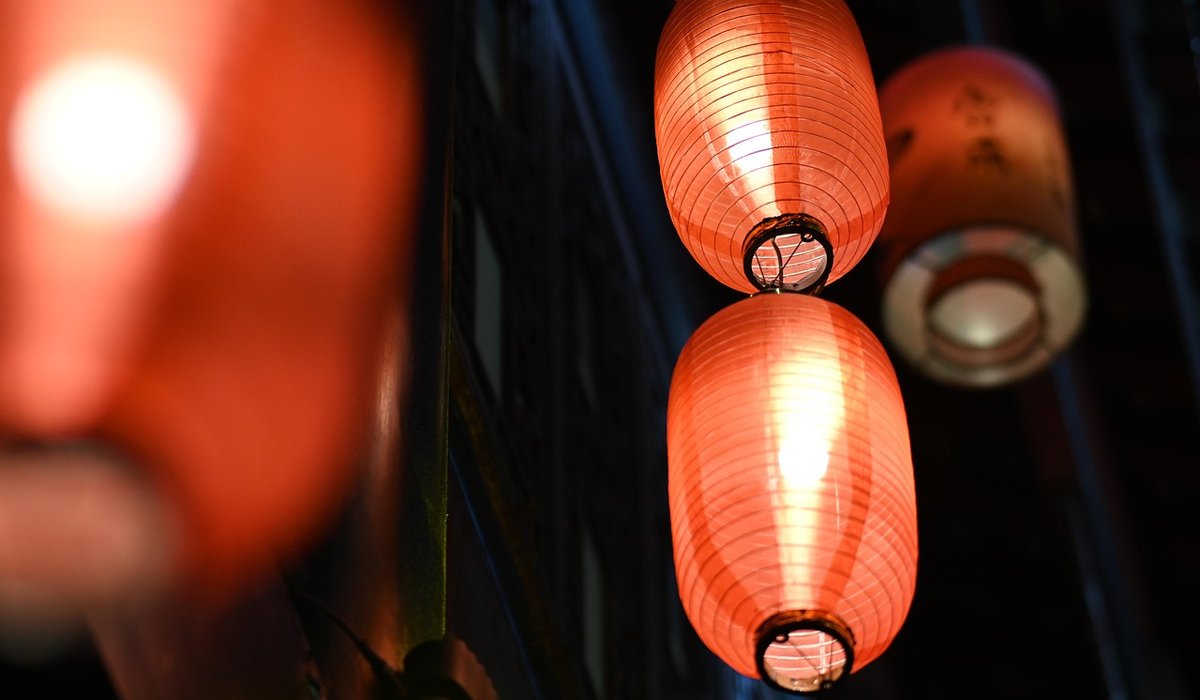
Warmth matters more than brightness here. Look for bulbs around 2700K — the colour of candlelight rather than daylight — and keep the total output modest, roughly 400–600 lumens per fitting. If you can, put the lights on a dimmer, or choose a fitting with a touch switch. An entrance lit low in the evening and brighter in the morning is doing quiet work all day.
If rewiring isn't an option, a small rechargeable lamp on the console, or a plug-in wall light with a fabric cable, gives the same pooled glow without a plasterer.
A Woven Runner Underfoot
Bare floorboards in a hall are beautiful and unforgiving. A runner softens the acoustics, warms the sole of a bare foot and adds the texture that makes a space feel lived in. Woven natural fibres — jute, sisal, coir, undyed wool — suit vintage interiors because they age gracefully and hide a bit of mud.
- Width: leave roughly 10–15cm of visible floor on each side, so the runner reads as a path rather than wall-to-wall carpet.
- Length: run it towards the front door; the lines lead the eye inwards and make the hall feel longer.
- Colour: oatmeal, terracotta, faded olive or rust sit well against warm whites and old woodwork.
- Underlay: always use an anti-slip pad, especially on tiles or varnished boards.
A runner with a little pattern also earns its keep, quietly disguising the marks a busy doorway inevitably brings.
Layers That Do the Work
Cosy hallways are useful hallways. Nothing kills a warm welcome faster than a space where you can't put anything down.
- Hooks: fit a row at around 1.7m for adults and 1m for children, and give each person one hook. Overflow is what makes halls look chaotic.
- A shallow bowl or tray on the console for keys, loose change and the dog lead.
- A lidded basket under the console for shoes, with a second for gloves and hats in winter.
- A small mirror to bounce light back into the room — plain glass, warm frame, nothing grand.
- A stool if you have 45cm to spare; sitting down to put boots on changes the mood of leaving the house.
Try to keep the console surface about a third empty. A little breathing space reads as calm; a fully dressed surface reads as clutter.
Slow Living Starts at the Doorstep
The hall is where the day is put down and picked up again, so treat it as a place rather than a passage. A small vase with a single stem, a dish of dried orange slices in winter, a candle you actually light — these small rituals slow the transition between outside and in.
Keep a routine that takes five minutes: sweep or vacuum the runner weekly, wipe the console, and refresh whatever sits on it with the season. In autumn, a bowl of conkers or a wool blanket on a hook; in summer, a jug of whatever is in the garden. Change the display, not the furniture.
Finally, mind the details you touch every day. A smooth-running latch, a hook that holds a heavy coat, a bulb that isn't flickering — these are what make an entrance feel cared for. Warmth in a hallway is rarely about how much you spend. It's about light at the right height, something soft underfoot, and a clear place to put your keys.




John Doe
14 January, 2022Having no content in post should have adverse..
Chauffina Carr
10 April, 2022We use these tests all time! Killer stuff!
Jim Séchen
16 July, 2022Thanks for all the comments, everyone!